So, you've got a tree on your property that needs to come down. Maybe it's dead, diseased, or just in the way of that new patio you're planning. Whatever the reason, tree removal isn't something you should jump into without a plan. This is especially true here in Newport Beach, where property lines are tight and regulations can be stricter than you'd think.
I've seen my share of removals over the years, and I can tell you, doing it right saves you headaches, money, and potentially your neighbor's fence. Let's break down what you need to consider.
Before the Saw Starts: Planning & Permits
First things first: Can you even remove this tree? That's not a silly question. Newport Beach has rules, especially for certain species or trees of a certain size. You might need a permit from the city, particularly if it's a 'protected' tree or if it's on public property (even if it looks like it's in your yard). Don't skip this step. A fine for illegal removal can be way more expensive than the permit itself, or the cost of hiring a pro, believe me.
Next, assess the tree. How big is it? What's directly underneath or around it? Power lines? Your house? Your neighbor's house? That old, leaning palm tree might look easy, but if it's overhanging your garage, that's a whole different ballgame than a small sapling in the middle of your lawn.
Think about equipment access. Can a truck or a chipper get close? Is the ground soft after a winter rain, especially in areas like the Back Bay where soil can get pretty saturated? All these factors play into how complex and costly the job will be.
DIY vs. Calling in Apex Tree: When to Grab Your Chainsaw (and When Not To)
Look, I'm all for homeowners tackling projects they can handle. If you've got a small, young tree — maybe 10-15 feet tall — with no power lines nearby and plenty of clear space to drop it safely, you might be able to do it yourself. You'll need proper safety gear: hard hat, eye protection, hearing protection, gloves, and chaps. And for goodness sake, make sure you know how to safely operate a chainsaw. Watch some videos, practice on smaller stuff first.
However, for anything larger, anything near structures, power lines, or anything that requires climbing or specialized equipment, you need to call a professional. Seriously. It's not just about cutting the tree down; it's about controlling its fall, managing the weight, and doing it without damaging property or, worse, injuring yourself or someone else. I've seen too many DIY attempts go sideways, and the cost of repairs or medical bills far outweighs what you would've paid a professional crew like ours.
A good arborist will have the right insurance, the right equipment (cranes, lifts, chippers), and the expertise to take down even the trickiest trees safely and efficiently. They'll also know how to deal with the debris, which is a huge part of the job.
During the Removal: What to Expect
If you hire pros, they'll usually start by assessing the tree's lean, identifying potential hazards, and planning their cuts. They'll often section the tree, removing branches one by one, especially if space is limited. This is where specialized rigging and climbing skills come into play. They use ropes and pulleys to lower sections safely to the ground. It can be loud, dusty, and a bit chaotic, but a good crew will keep the site as tidy and safe as possible.
Make sure pets and kids stay far away from the work area. Clear any outdoor furniture, planters, or anything else that could get in the way or be damaged. Communication is key, so don't hesitate to ask the crew chief if you have questions or concerns during the process.
After the Tree is Down: Cleanup & Stump Removal
Once the tree is on the ground, the work isn't over. You've got a lot of wood and branches to deal with. If you hired a service, they'll typically chip the smaller branches and haul away the larger logs. Confirm this beforehand – some quotes might only cover 'tree felling,' leaving you with the cleanup.
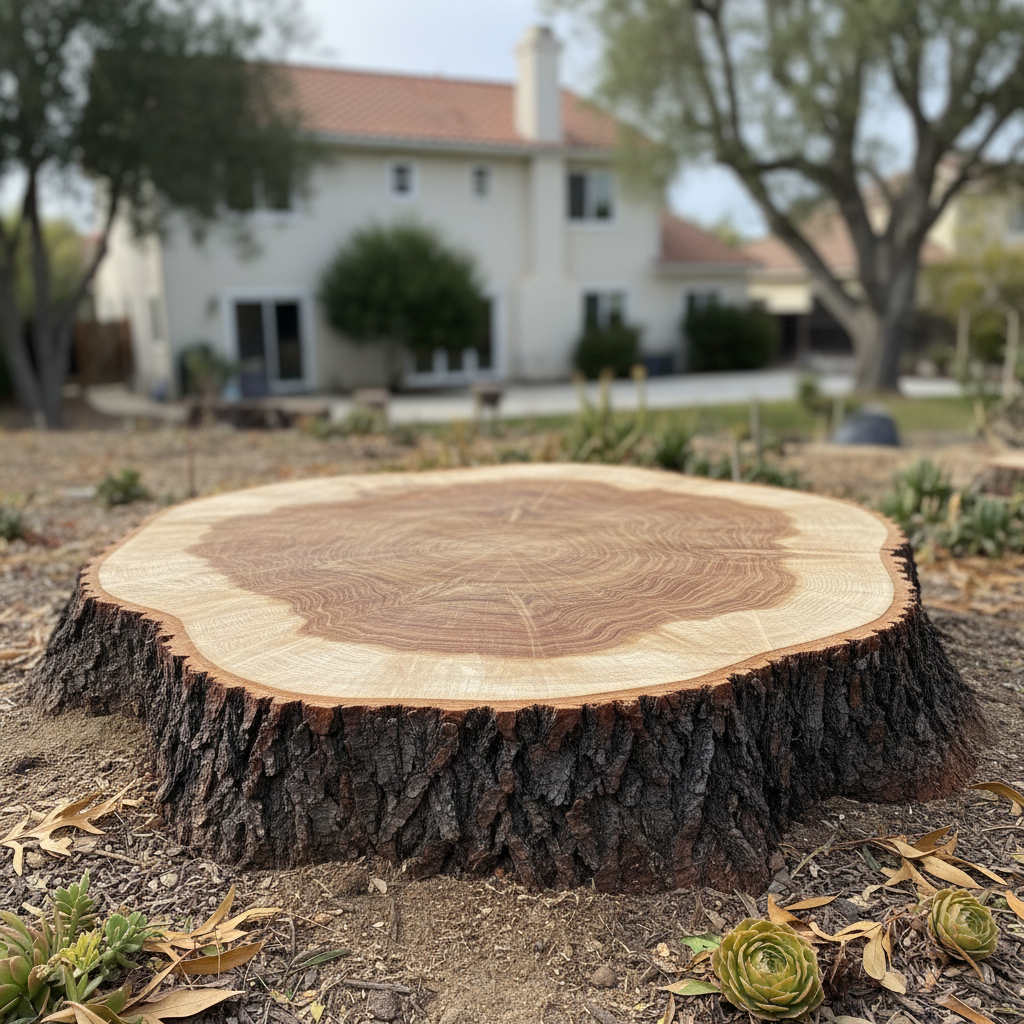
Then there's the stump. You've got a few options here. You can leave it, but it'll eventually rot, attract pests, and can be an eyesore or tripping hazard. You could try to remove it yourself with chemicals or by digging it out, but that's a lot of back-breaking work for a large stump. The most common and efficient method is stump grinding. A grinder chews the stump down below ground level, leaving you with wood chips that you can use as mulch or have hauled away. It's usually a separate service, so make sure to discuss it when you get your quotes.
Removing a tree is a big job, but with proper planning and knowing when to call in the experts, you can get it done safely and effectively. Don't take shortcuts; your property (and your wallet) will thank you.