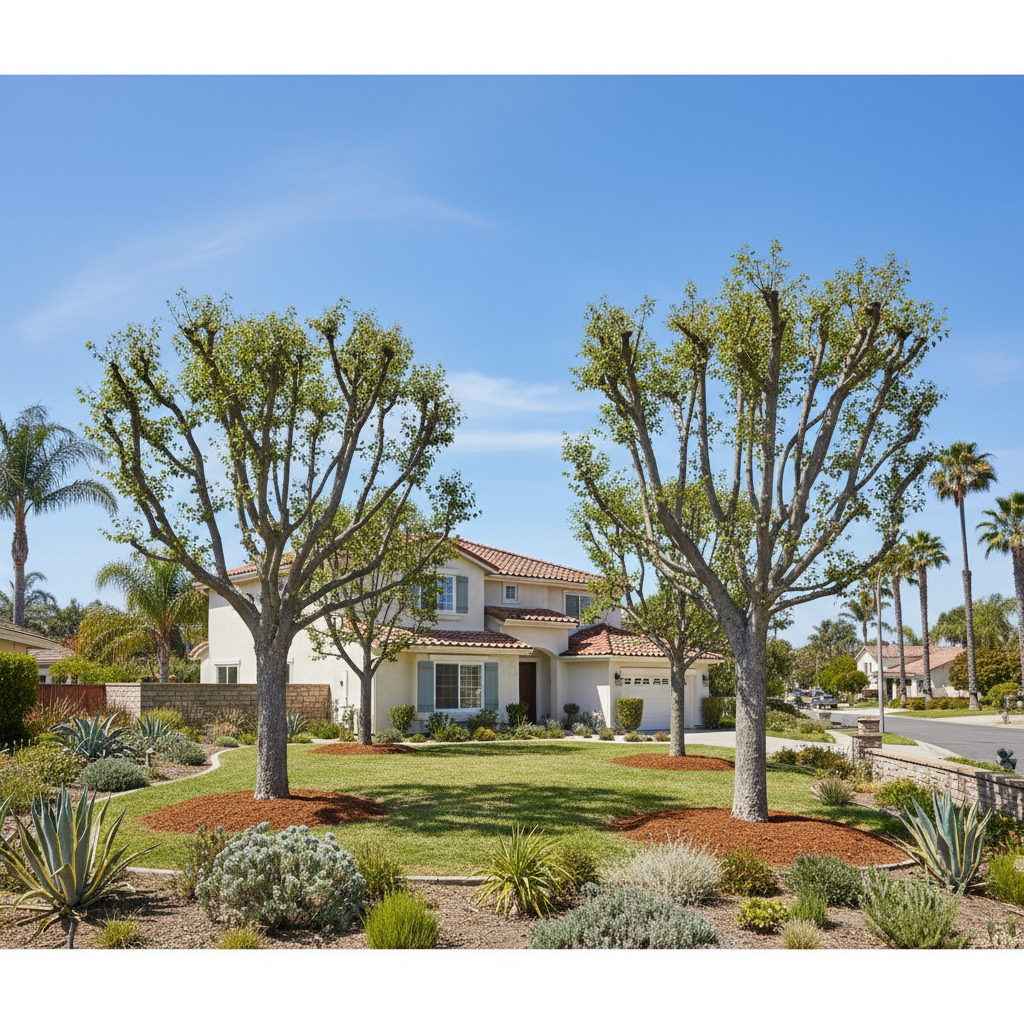
You need a tree service, and you're probably thinking, 'How hard can it be to find someone to trim a palm or take down that old ficus?' Well, it's not always as straightforward as you'd hope, especially here in Newport Beach where everyone's got a guy. You want someone who knows what they're doing, won't damage your property, and isn't going to disappear after taking your deposit. I've seen it all in this business, so let me give you the rundown on how to pick the right crew.
Start with the Right Questions
When you're calling around or meeting with potential contractors, don't be shy. You're hiring them to work on your property, often with expensive equipment, and potentially near your home or neighbors' homes. Ask these questions:
Are you licensed and insured? This is non-negotiable. They need a C-27 Landscape Contractor's license from the CSLB (Contractors State License Board). Ask for their license number and verify it online. For insurance, they need general liability insurance to cover property damage and workers' compensation insurance if they have employees. Ask for current certificates directly from their insurance carrier, not just a copy they printed out. If they balk at this, hang up.
How long have you been in business? Experience matters. Someone who's been around for a while, especially in our specific climate and with the types of trees we have here in Newport, knows the ropes.
Can you provide references? A good contractor will gladly give you a few names and numbers of recent clients. Call them! Ask about their experience, if the job was completed on time and budget, and if they'd hire them again.
What's your approach to this specific job? Don't just let them say, 'We'll trim it.' Ask them to explain their pruning philosophy. Are they cutting for health, aesthetics, or clearance? What tools will they use? How will they protect your property?
How will you clean up? This might seem minor, but you don't want to be left with a mess. Make sure they're taking away all debris, chipping branches, and raking up. It should be part of the quote.
Decoding the Quote: What to Look For
You'll get a few quotes, and they'll probably vary. Don't automatically go for the cheapest. A lowball bid often means corners are being cut, and that'll cost you more in the long run. Here's what a good quote should include:
Detailed Scope of Work: It should clearly state exactly what they're going to do. 'Trim tree' isn't enough. It should say something like, 'Crown reduction of X tree by 20%, remove deadwood over 1 inch in diameter, clear branches 10 feet from roofline.' Specifics prevent misunderstandings.
Itemized Costs: If it's a big job, sometimes they'll break down costs for tree removal, stump grinding, hauling, etc. This isn't always necessary for smaller jobs, but the total should be clear.
Proof of Insurance and Licensing: They should state their license number and confirm they're insured right on the quote. It's a good sign of transparency.
Payment Schedule: For larger jobs, a deposit is normal, but it shouldn't be more than 10% or $1,000, whichever is less, by California law. The rest should be due upon satisfactory completion. Never pay for the whole job upfront.
Completion Timeline: A rough idea of when they expect to start and finish the work.
Red Flags You Can't Ignore
Some things should make you walk away immediately. Trust your gut on these:
Door-to-door solicitations: If someone shows up uninvited offering a 'deal' because they 'just finished a job down the street,' be very wary. Legitimate businesses don't usually operate this way.
Cash-only demands: This is a huge red flag for tax evasion and lack of accountability. You want a paper trail.
No insurance or license: As I said, non-negotiable. If they say, 'Oh, I'm just a small guy, I don't need that,' run. You'll be liable if someone gets hurt or your house gets damaged.
Pressure tactics: 'This deal is only good today!' or 'If you don't do it now, your tree will fall!' A reputable company gives you time to think and compare.
Unprofessional appearance: While you shouldn't judge a book by its cover entirely, a company with well-maintained equipment, professional-looking vehicles, and uniformed crew members usually takes their business seriously. Someone showing up in a beat-up pickup with rusty tools and no branding is a gamble.
Verifying Legitimacy
It's easy to check up on contractors. Here's how:
Check the CSLB website: Go to cslb.ca.gov and use their 'Check a License' tool. Input the license number they gave you. It will tell you if it's active, if they have workers' comp insurance, and if there are any disciplinary actions.
Look them up online: Google their business name. Check for reviews on Yelp, Google, and other local platforms. A few negative reviews aren't necessarily a deal-breaker (you can't please everyone), but a pattern of bad service or complaints is a problem.
Verify insurance: Ask the contractor for their insurance agent's contact information and call the agent directly to confirm coverage for general liability and workers' compensation. This is the most reliable way.
Look, hiring a tree service isn't rocket science, but it does require a little due diligence. You're investing in your property and your safety. Take the time to ask the right questions, scrutinize the quotes, and verify their credentials. Here at Apex Tree, we've built our reputation on doing things the right way, and we're always happy to answer any of these questions transparently. Don't settle for less than professional, insured, and licensed work, especially with the value of homes and the tight spaces we often work in, like those beautiful properties right on the Balboa Peninsula.