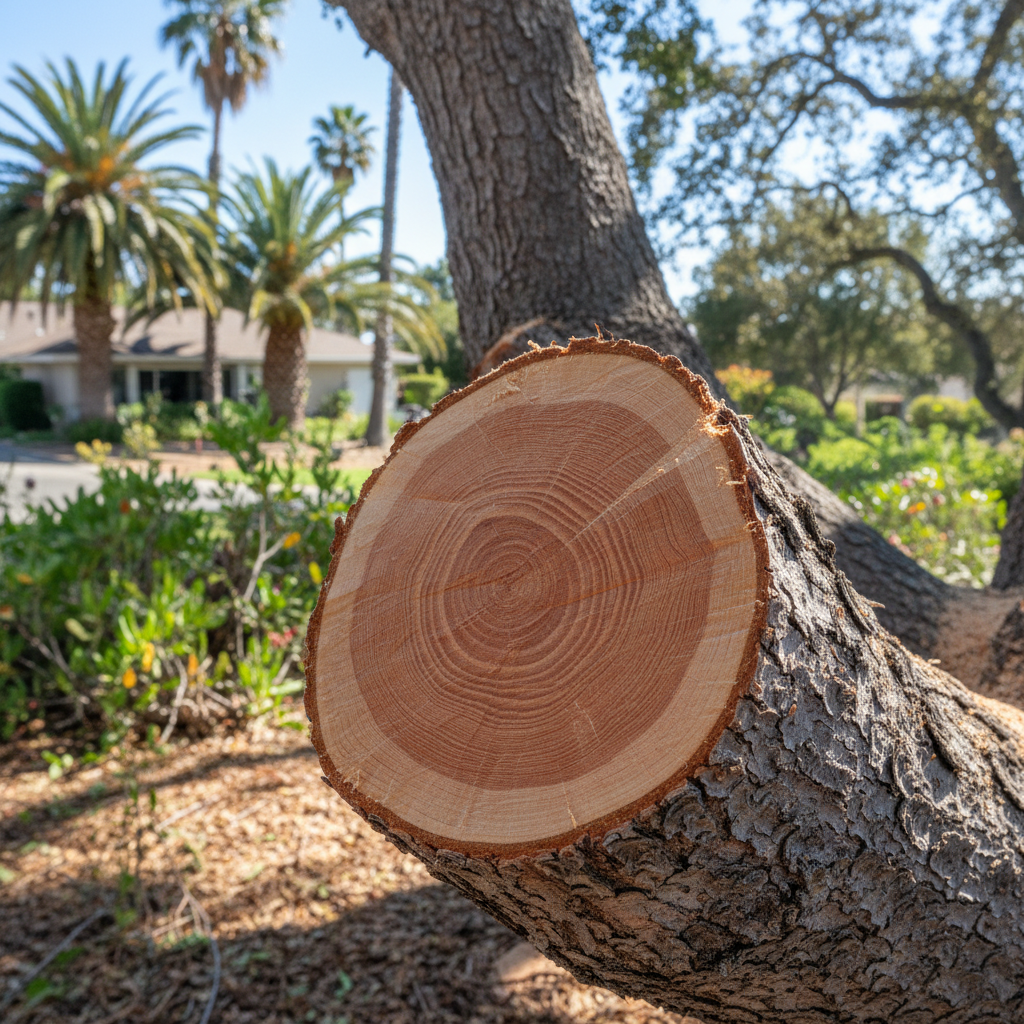
So, you’re looking at that tree in your yard and thinking, “I could probably trim that myself, right?” It’s a common thought, especially when you want to save a few bucks. As someone who’s been doing this for years here in Newport Beach, I’ve seen a lot of DIY attempts – some good, some… not so good. Let’s talk about what you really need to know before you grab those clippers.
Before You Even Think About Cutting
First off, know your tree. What kind is it? Is it a young sapling or a mature specimen that’s been around longer than you have? Different trees have different needs. For instance, those beautiful Ficus trees we see all over the Back Bay area? They can get really dense and need specific thinning to stay healthy and not become a hazard. A small fruit tree in your backyard is a whole different ballgame than a towering Eucalyptus.
You’ll also want to think about the 'why.' Are you trimming for aesthetics, to remove dead branches, or because it’s growing into your roofline? Knowing your goal helps you decide on the right approach. And always, always, check for power lines. If any part of the tree is near power lines, stop right there. That’s a job for the utility company or a licensed, insured arborist, not you.
What You Can Realistically Do Yourself
Look, I’m all for homeowners being hands-on. There’s a lot you can do safely and effectively. Here’s where you can usually jump in:
- Small, accessible branches: If a branch is thinner than your wrist, you can reach it from the ground or a stable, short ladder, and it’s clearly dead, diseased, or crossing another branch, you can probably handle it. Use sharp, clean hand pruners or loppers.
- Shrubs and small ornamental trees: Pruning shrubs to maintain their shape or removing spent flowers is totally fine. Just make sure you’re using the right tool and making clean cuts.
- Suckers and water sprouts: These are those fast-growing, often vertical shoots that pop up from the base or along branches. They’re usually weak and don’t contribute to the tree’s health or structure, so snip 'em off.
- Deadwood on lower branches: If you can easily reach and identify dead branches that aren’t too thick, go for it. Deadwood can attract pests, so removing it is a good preventative measure.
When you do cut, make sure you’re making clean cuts just outside the branch collar – that slightly swollen area where the branch meets the trunk or a larger branch. Don’t cut flush with the trunk, and don’t leave a stub. Both can harm the tree’s ability to heal.
When It’s Time to Call a Pro (Like Apex Tree)
This is where I get serious. There’s a point where DIY becomes dangerous, both for you and for the tree. Here’s when you absolutely need to pick up the phone:
- Any branch requiring a ladder taller than 6 feet: Seriously, ladder accidents are no joke. If you have to reach or stretch, it’s too high.
- Branches over your roof or near power lines: This is a massive safety risk. Don’t even think about it.
- Large branches (thicker than your wrist): These require specialized saws and techniques to cut safely without damaging the tree or yourself. They can be heavy and unpredictable when they fall.
- If you’re unsure about the cut: If you’re looking at a branch and wondering if it’s structural or if cutting it will hurt the tree’s overall health or shape, don’t cut. An arborist understands tree biology and can make informed decisions.
- Trees showing signs of disease or pest infestation: Sometimes, trimming might exacerbate the problem or spread disease. A professional can diagnose and treat it properly.
- Storm damage: After one of our Santa Ana wind events, you might have broken branches hanging precariously. These are incredibly dangerous and require professional removal.
- Any tree that’s leaning or looks unstable: This isn’t just about trimming; it’s about safety. Get an expert opinion.
After the Cut: What to Look For
Once the trimming is done, whether by you or a pro, keep an eye on your tree. Look for signs of stress, like wilting leaves, discolored bark, or sap oozing from cuts. Most healthy trees will heal quickly, forming a callus over the wound. If you notice anything concerning, it’s worth a call to an arborist.
Proper trimming, whether it’s a small DIY job or a major project done by Apex Tree, is all about keeping your trees healthy, safe, and looking great. Don’t be afraid to get your hands dirty for the small stuff, but know your limits. Your safety and the health of your trees are always the top priority.